


Our first demand model scored 94% accuracy against held-out history. It was, in practice, useless. Here is what a working restaurant does to a forecast — and the four changes that made the second version hold up.
The test set lied
Held-out history is a comfortable place to be right. It contains no cancelled deliveries, no fridge failures, no day the road outside was closed for a wedding. It contains the past as the system recorded it, which is not the same as the past as it happened.
The first sign of trouble was that accuracy held on Tuesdays and collapsed on Saturdays. Saturdays are when a restaurant is least like its own data — more walk-ins, more large groups, more substitutions. The model had learned a well-behaved restaurant that only exists Monday to Thursday.
A forecast that is accurate on the easy days and wrong on the hard ones is worse than no forecast, because it teaches the kitchen to stop checking.
Four changes that mattered
None of these were modelling improvements in the academic sense. All four were about the gap between a prediction and a decision someone has to make at 6am.
- 01Forecast the prep list, not the coversNobody preps “covers”. They prep kilos of onion. Predicting the thing that gets acted on removed a translation step where errors compounded.
- 02Show the confidence band, not the numberA single number invites either blind trust or dismissal. A range invites judgement, which is what a head chef is actually good at.
- 03Retrain weekly, per branchOne model across eleven branches averaged away the thing that made each branch predictable. Per-branch models are more work and considerably more accurate.
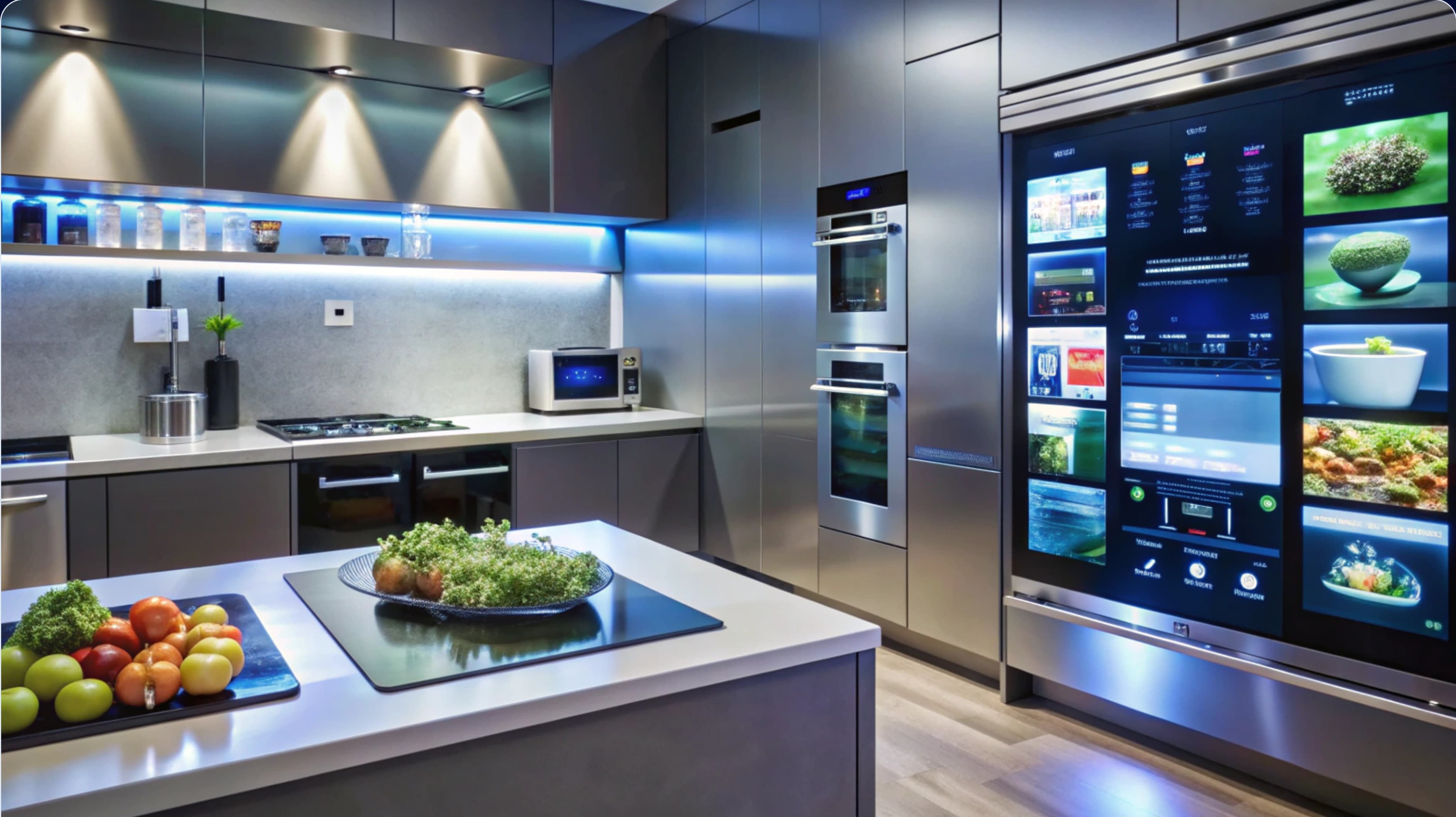
- 04Put it on the screen they already openThe prediction lands on the kitchen display beside the prep list. A separate dashboard would have been opened twice and then never again.
What it produced
Across the pilot branches, food waste fell 31% with no stockouts recorded during the trial. The accuracy number barely moved. That gap between accuracy and outcome is the whole point.
31%
Reduction in food waste across pilot branches, with no stockouts recorded during the trial period.
If you are considering this
Ask what decision the forecast is meant to change, and who makes it. If you cannot name the person and the moment, the model will be accurate and ignored. That question has talked more of our clients out of AI projects than into them, which we consider a feature.
This work now runs inside DineIQ. If you want to see it against your own numbers, the readiness call is free and ends with a written answer either way.